

Scalp Concerns
Do you have scalp concerns?
People with curly hair often face unique scalp concerns due to the structure and texture of their hair, which tends to be drier and more prone to tangling. Check out some common scalp concerns and some suggested solutions below.

1. Dry Scalp
A dry scalp occurs when the skin on the scalp loses moisture or becomes depleted of its natural oils, leading to itchiness, flaking, and irritation. Unlike dry hair, which affects the hair strands themselves, a dry scalp is often influenced by factors that disrupt the scalp’s natural moisture balance. Common causes include overwashing, harsh shampoos or hair products, cold or dry weather, and low humidity. In some cases, the scalp may also be sensitive to certain ingredients in hair care products, which can cause irritation and dryness.
Solution: First, figure out what might be causing your dry scalp - help from a professional is encouraged! Once you've figure out the cause, you can directly target it and make some changes to your routine to help improve your dry scalp. Some easy fixes include staying hydrated, avoiding excessive use of sulphates and other harsh chemicals in your hair products and to avoid over-washing your hair.
2. Itchy Scalp
The dry scalp condition can often lead to itching, which may be further aggravated by the buildup of styling products or lack of proper hydration. An itchy scalp can also be caused by an allergy to an ingredient used in your hair care products.
Solution: If your itchy scalp is linked to your dry scalp condition, treating your dry scalp with the tips above will help this concern at the same time. If you think a specific product may be causing an irritation, the best way to test your products is the elimination method. The elimination method requires you to stop using all of your hair care products to give your scalp a reset. After your scalp has calmed down, slowly introduce products back into your routine one at a time, giving yourself enough time in between to see how your scalp re-acts. Eventually you'll find the culprit!
3. Scalp Sensitivity
Because curly hair requires more manipulation (like detangling, twisting, or braiding), the scalp can become sensitive or inflamed due to frequent tension or pulling, especially around the hairline.
Solution: When detangling your hair, try working in small sections and always working your way up from the ends to your roots. Detangling curly hair when it's wet and with a conditioner or detangler in it is also always recommended. If you find your scalp is sensitive from frequent protective styles, try giving your scalp a break in between styles where little to no manipulation is required.
4. Dandruff or Seborrheic Dermatitis
A dry, flaky scalp can lead to dandruff, or in more severe cases, seborrheic dermatitis, where the scalp becomes red, itchy, and develops greasy or scaly patches. Excess oil production or fungal overgrowth may also contribute to this condition.
Solution: Speak to a professional dermatologist or your health care provider if you think you might have this condition. They will be able to help diagnose you and provide you with a treatment plan that best suits your needs. Often the use of a medicated dandruff product will help.

5. Product Buildup
People with curly hair often use heavier products like creams, gels, and oils to define curls and reduce frizz. If not properly cleansed, over time these products can accumulate on the hair follicles and the scalp.
Solution: Make sure you are using a clarifying cleanser/shampoo in your routine to help remove product buildup and to properly reset your curls and scalp for styling. Everyone is different, but figure out a washday schedule that best suits your needs and lifestyle. It's usually recommended to cleanse your curly hair 1-4 times a week. For example, if you live a very active lifestyle and sweat a lot, you might want to wash your hair more often than someone who doesn't.
Pro Tip: A clarifying cleanser doesn't need to be used every time you wash your hair. If you wash your hair more than once a week, you may only want to use it once and use a gentle shampoo or just co-wash (conditioner only wash) the other times.
6. Scalp Acne
Scalp acne and acne-like bumps can develop for several reasons, including clogged hair follicles, excess oil, sweat, and buildup from hair care products. However, not all bumps on the scalp are acne; they may also be caused by folliculitis (inflammation of the hair follicles), irritation, or other scalp conditions.
Solution: Speak to a professional dermatologist or your health care provider if you think you might have this condition. They will be able to help accurately diagnose you and provide you with a treatment plan that best suits your needs. Often the use of a medicated product will help.
7. Tension and Traction Alopecia
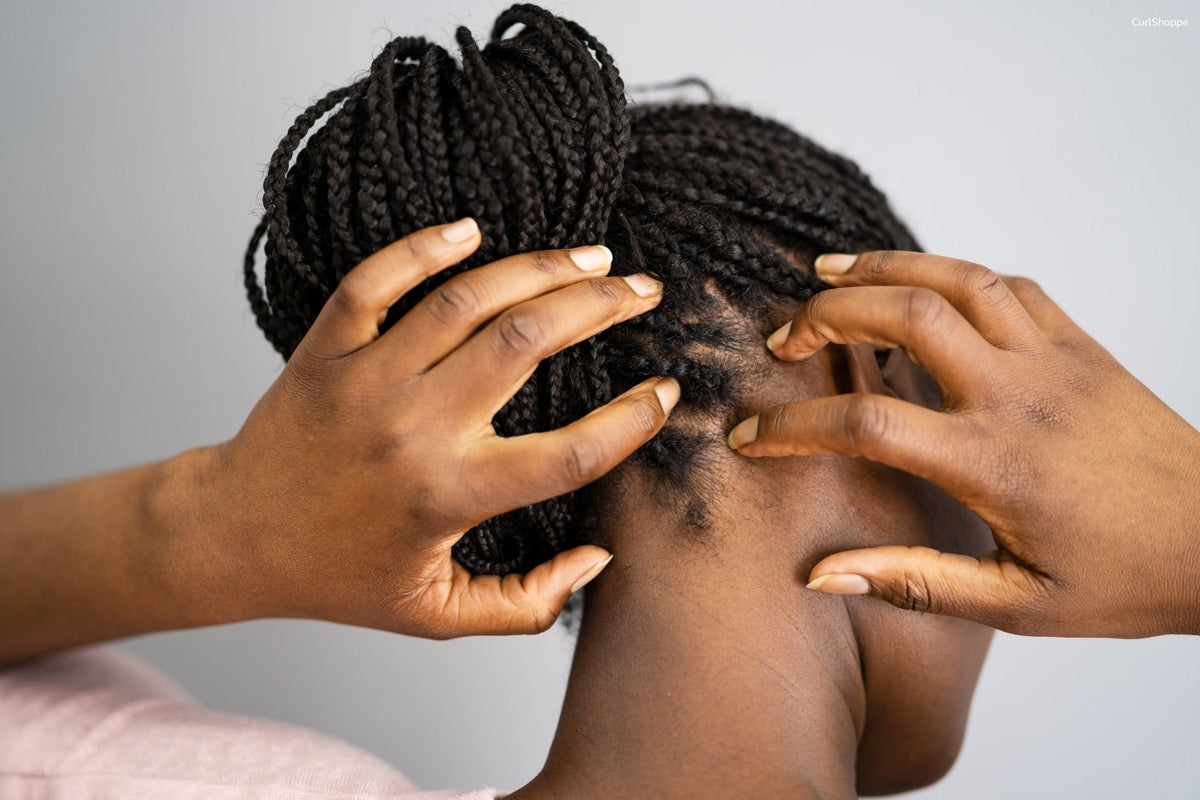
Tight hairstyles like braids, buns, or ponytails, commonly used to manage curly hair, can put strain on the scalp and hair follicles, potentially leading to hair loss, especially along the hairline (traction alopecia).
Solution: Try giving your scalp a break in between styles where little to no manipulation is required. We also suggest speaking to a professional health care provider to make sure there aren't any other possible causes of your hair loss.
Final Thoughts
Remember, healthy curls start at the scalp, so making sure your scalp is healthy and happy is just as important as finding the perfect styling routine. Take your time figuring out your specific needs and you'll have the curls of your dreams in no time. When in doubt, we always recommend reaching out to a dermatologist, health care provider or professional hairstylist when you have concerns about your scalp.
Disclaimer: The information contained in this article is provided for informational purposes only and is not intended to be used to diagnose or treat any health conditions. Medical advice should always come from your physician or a trained professional.
interested in reading more?
continue exploring
While curly hair grows at the same rate as other hair types, several factors can impact its length retention and overall health. Here are common hair growth concerns and ways to address them.
Read more
Regardless if you're transitioning from relaxer, heat/colour damage, or a perm, learn the best ways to manage your hair as it transitions back to natural.
Read more
